
 Image 1 of 1
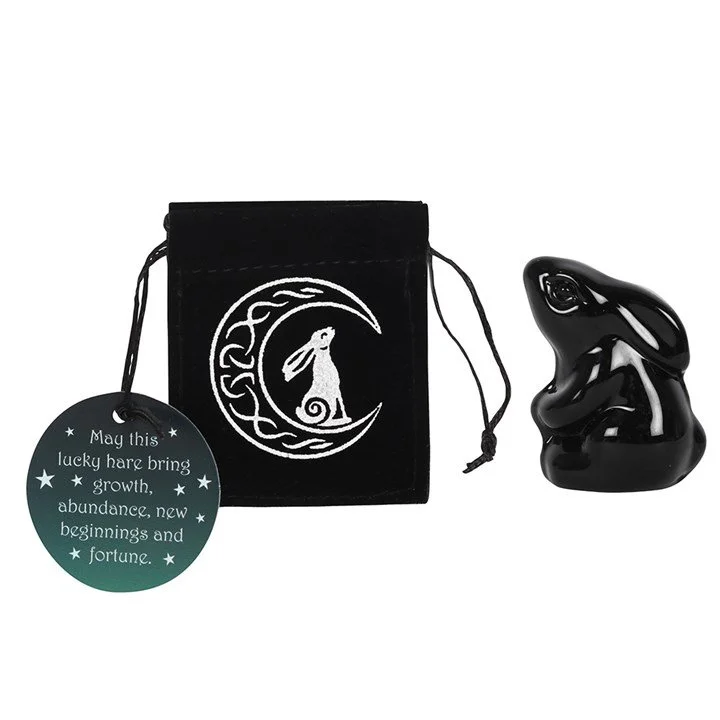
The Moon Gazing Hare is an ancient, Pagan symbol representing good fortune, rebirth, abundance, and new beginnings, often depicted as a hare looking up at a full moon. It's tied to lunar goddesses like Eostre/Ostara and is a popular motif in folklore, art (paintings, sculptures, jewelry), and modern Wiccan traditions, symbolizing the magic of nature and the lunar cycle
.
Key aspects
Symbolism: Growth, fertility, renewal, abundance, good luck, and the connection to the moon.
Origins: Ancient Pagan traditions, linked to lunar deities and goddesses of spring, like Eostre (Easter's namesake).
Mythology: Hares were seen as magical, sometimes shapeshifting, and sacred to Celtic beliefs, never to be eaten but revered.
Modern usage: Popular in art, crafts, and jewelry, appearing as charms, sculptures, and paintings for positive energy and good fortune.
Variations: Sometimes called a "Star Gazing Hare," it embodies peace and the changing seasons.
The Moon Gazing Hare is an ancient, Pagan symbol representing good fortune, rebirth, abundance, and new beginnings, often depicted as a hare looking up at a full moon. It's tied to lunar goddesses like Eostre/Ostara and is a popular motif in folklore, art (paintings, sculptures, jewelry), and modern Wiccan traditions, symbolizing the magic of nature and the lunar cycle
.
Key aspects
Symbolism: Growth, fertility, renewal, abundance, good luck, and the connection to the moon.
Origins: Ancient Pagan traditions, linked to lunar deities and goddesses of spring, like Eostre (Easter's namesake).
Mythology: Hares were seen as magical, sometimes shapeshifting, and sacred to Celtic beliefs, never to be eaten but revered.
Modern usage: Popular in art, crafts, and jewelry, appearing as charms, sculptures, and paintings for positive energy and good fortune.
Variations: Sometimes called a "Star Gazing Hare," it embodies peace and the changing seasons.